
As devices shrink and performance expectations rise, manufacturers are facing a growing challenge: how to produce increasingly small, complex rubber components without sacrificing precision, repeatability, or material integrity.
From medical diaphragms and micro-seals to precision gaskets in industrial instrumentation, today’s applications demand tight tolerances and intricate geometries in soft, flexible materials. Traditional processes such as molding, die cutting, and stamping have long served the rubber industry well, but at micro-scale, their limitations become increasingly apparent.
Laser machining rubber parts is revolutionizing the industry. By removing tooling constraints and introducing non-contact laser processing, manufacturers can now achieve cleaner edges, improved consistency, and intricate micro-features in rubber that were previously difficult, or impossible, to produce reliably.
Eliminating Tooling Constraints in
Small-Part Manufacturing
Conventional rubber fabrication relies heavily on tooling. Molds, dies, and punches must be designed, manufactured, and maintained. For larger components, this approach is often cost-effective. But as parts shrink, tooling complexity and cost increase significantly.
Small precision rubber components often require:
Extremely fine geometries
As part dimensions decrease, feature tolerances become tighter. Thin walls, narrow slots, and small apertures demand tooling with sharp edges and minimal deflection. Manufacturing and maintaining such tooling becomes increasingly difficult and expensive, particularly when working with soft elastomers that can deform under pressure.
Tight spacing between features
When micro-features in rubber are positioned close together, traditional dies must maintain structural integrity while cutting delicate shapes. Tooling strength limits how closely features can be placed, often forcing design compromises. Laser machining rubber parts removes this constraint, allowing features to be positioned based on application need rather than tooling feasibility.
Thin walls or membranes
Rubber diaphragms and membranes used in medical and industrial applications are often extremely thin. Mechanical cutting can stretch or distort these sections during processing. Tooling must be precisely aligned and maintained to avoid tearing, adding complexity and risk. Laser processing, by contrast, applies no mechanical force to these fragile geometries.
Rapid design iteration
In product development, even small geometry changes can require new tooling. This means additional cost, extended lead times, and potential production delays. For low-to-medium volumes or evolving designs, tooling investment can become a bottleneck. Digital laser programming enables geometry updates without physical tool changes, dramatically accelerating development cycles.
With mechanical tooling, even minor design changes can mean re-cutting a die or redesigning a mold. Lead times stretch. Costs increase. Development slows.
Laser machining rubber parts removes these physical constraints. Because the geometry is defined digitally, not mechanically, there is no hard tooling to manufacture or modify. Design changes can be implemented directly in the laser program, dramatically accelerating prototyping and production scaling.
This digital flexibility is particularly valuable when developing micro-features in rubber, such as small apertures, narrow channels, or intricate sealing profiles. What would require complex and delicate tooling in a die-cut process becomes a programmable, repeatable laser operation.
For manufacturers seeking agility and reduced development risk, this shift from mechanical tooling to digital control is transformative.
Reduced Deformation Through Non-Contact Laser Processing
Rubber and elastomers present a unique manufacturing challenge because they are soft, flexible, and compressible. These properties are advantageous in application but problematic in mechanical cutting.
Stamping and die cutting exert force on the material. Even minimal compression can lead to:
Edge distortion
When a mechanical blade or die compresses rubber during cutting, the material can deform before it is fully sheared. This often results in edges that are slightly rounded, uneven, or compressed rather than cleanly defined. In precision rubber components, even minor edge distortion can affect sealing performance, mating surfaces, or assembly alignment.
Tearing
Soft elastomers are prone to tearing when subjected to localized mechanical stress, especially around small holes, tight internal corners, or thin sections. As cutting tools penetrate and withdraw from the material, stress concentrations can form, causing micro-tears that may not be immediately visible but can propagate during use. This risk increases significantly when producing micro-features in rubber.
Material stretching
During die cutting or punching, rubber can stretch under pressure before separation occurs. Once the cutting force is released, the material may partially rebound, leading to subtle dimensional variation. This stretching and recovery behavior makes it difficult to maintain tight tolerances, particularly in thin membranes or small gaskets.
Burr formation
Mechanical cutting can leave raised edges or small fragments of partially separated material along the cut line. These burrs may require secondary finishing or cleaning operations, adding cost and processing time. In medical or high-spec industrial applications, burrs can interfere with sealing performance or introduce contamination risks.
Dimensional inconsistency
Because rubber is compressible, slight variations in cutting pressure, tool sharpness, or material thickness can lead to measurable dimensional differences between parts. Tool wear over time further compounds this issue. For manufacturers aiming to produce repeatable precision rubber components at scale, maintaining consistent dimensions using mechanical methods can be challenging.
As parts become smaller and thinner, these risks increase. Thin diaphragms, micro-gaskets, and delicate membranes are particularly vulnerable to mechanical stress.
Non-contact laser processing eliminates these forces entirely. Instead of compressing or shearing the material, the laser precisely ablates or cuts through it using controlled energy. The material remains stationary and uncompressed throughout the process.
This approach offers several critical advantages when laser cutting elastomers:
No Mechanical Distortion
Because non-contact laser processing does not rely on physical blades, punches, or dies, the rubber material is not compressed, bent, or stressed during cutting. The absence of mechanical force prevents the temporary deformation that typically occurs with die cutting. This is particularly important for thin diaphragms, delicate membranes, and small precision rubber components where even slight distortion can affect performance or assembly fit.
Clean, Well-Defined Edges
The laser beam delivers highly localized energy, allowing material to be removed with controlled precision. This results in sharply defined cut paths that closely match the programmed geometry. For applications involving micro-features in rubber, such as fine apertures or intricate sealing profiles, edge definition is critical to ensuring consistent function. Clean edges also reduce the need for secondary finishing operations.

Reduced Risk of Tearing
Since the material is not subjected to pulling or shear forces from a physical tool, stress concentrations at corners or small internal features are minimized. This significantly lowers the likelihood of micro-tears forming during processing. For laser machining rubber parts that include tight radii or small cut-outs, this controlled energy delivery improves structural integrity and long-term durability.
Improved dimensional stability
With no compression or stretching during cutting, the final geometry more accurately reflects the programmed design. The absence of tool wear also ensures that cut quality remains consistent over time. This stability is essential when producing precision rubber components that must meet tight tolerances across high production volumes, especially in regulated medical or high-performance industrial environments.
For medical device components, where even minor edge defects can compromise performance, this precision is essential. Similarly, in industrial sealing applications, consistent edge quality directly affects sealing reliability.
By removing physical contact from the equation, laser machining rubber parts preserves the material’s integrity while delivering high precision.
Improved Repeatability for Flexible and Compressible Materials
Repeatability is one of the most significant challenges in processing elastomers. Mechanical tooling degrades over time. Cutting edges dull. Compression characteristics vary. Even slight differences in applied force can alter dimensions in soft materials.
When manufacturing precision rubber components at scale, these variables introduce inconsistency.
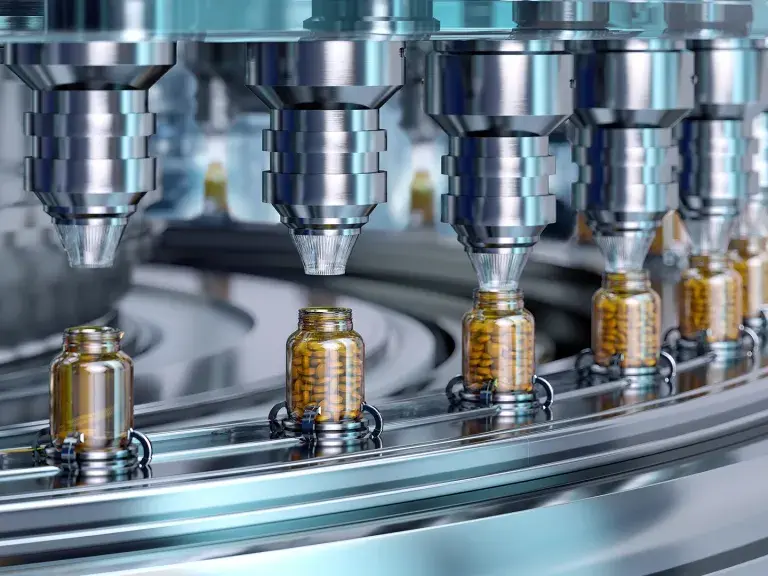
Laser micromachining offers a fundamentally different level of control. Key parameters including power, pulse duration, frequency, and cutting speed are digitally managed and tightly controlled. Once optimized, these settings can be replicated with exceptional consistency across batches.
Because non-contact laser processing does not rely on mechanical pressure, variability caused by compression or rebound is minimized. The process becomes more stable and predictable, which is especially important for:
Regulated medical manufacturing
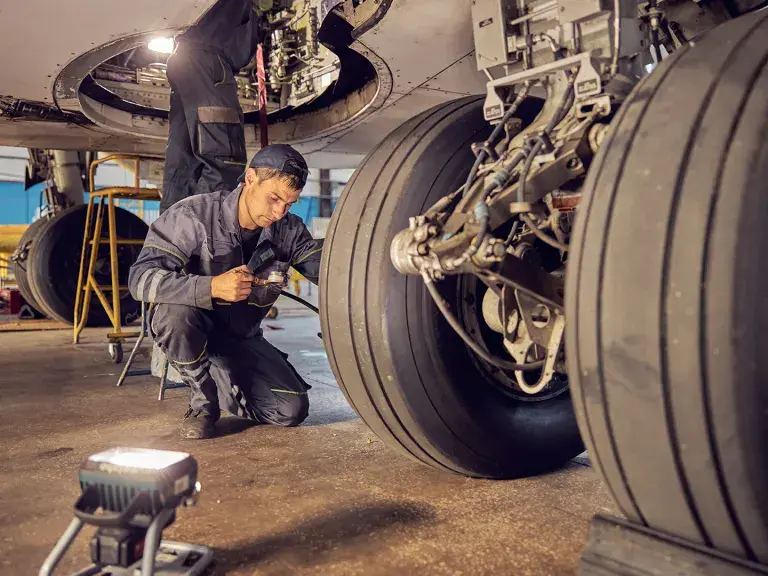
Aerospace-grade components
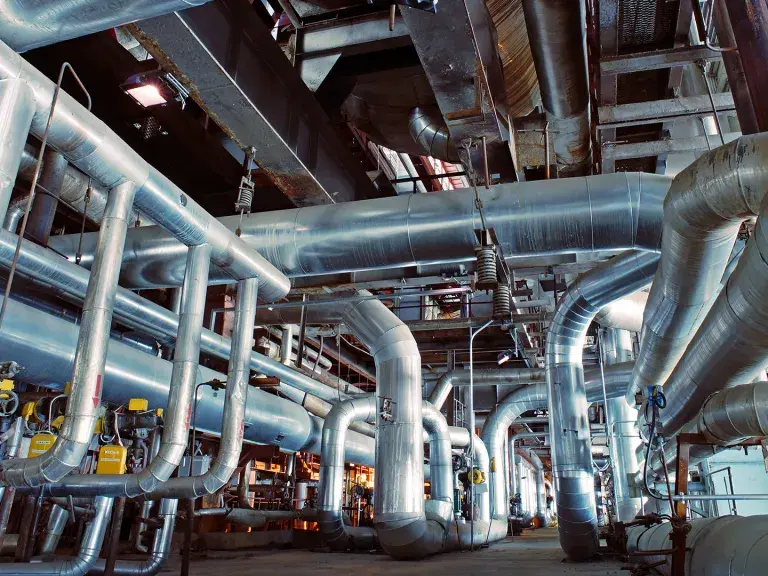
High-performance industrial instrumentation
In applications where tolerances are measured in microns rather than millimeters, this repeatability is essential.
Enabling Complex Micro-Features in Rubber
As product designs evolve, so too do the geometries required of rubber components. Engineers are increasingly specifying:
Micro-holes and precision apertures
Small-diameter holes in elastomers are notoriously difficult to produce using mechanical methods. Traditional punches can deform the surrounding material or create inconsistent edge quality, particularly at diameters approaching sub-millimeter scale. Laser machining rubber parts enables the production of highly controlled micro-holes with consistent geometry, making them suitable for fluid control, pressure regulation, and micro-valve applications.
Fine slots and channels
Narrow slots or micro-channels often require tight width tolerances and straight, uniform edges. In die cutting, maintaining slot uniformity over thin or flexible rubber can be challenging due to material compression and tool deflection. Laser cutting elastomers allows these features to be formed with precise width control and minimal edge variation, supporting advanced sealing and flow management designs.
Thin membranes
Many medical and industrial devices rely on ultra-thin rubber membranes for sensing, pumping, or isolation functions. Mechanical processing can stretch or damage these delicate structures during cutting. Non-contact laser processing avoids applying pressure to the material, preserving membrane thickness and integrity while enabling precise perimeter definition.
Intricate sealing patterns
Modern sealing applications often require complex internal geometries, including labyrinth-style paths, interlocking profiles, or multi-level sealing edges. Producing such patterns with traditional tooling may require multi-step processes or highly specialized dies. Laser machining rubber parts allows these intricate geometries to be programmed and cut in a single, controlled operation, improving both efficiency and repeatability.
Complex internal cut profiles
Internal features such as nested shapes, sharp internal corners, or closely spaced cut-outs are limited by the physical size and durability of mechanical tools. With laser micromachining, the beam can follow highly detailed toolpaths without being constrained by tool geometry. This makes it possible to create high-density micro-features in rubber that support compact, miniaturized product designs.
Traditional die cutting and molding methods struggle to maintain precision at this scale. Tool deflection, wear, and material deformation limit achievable detail.
Laser machining rubber parts enables a different level of feature resolution. Because the beam diameter and energy delivery can be precisely controlled, it is possible to create micro-features in rubber with tight tolerances and consistent edge quality.
Importantly, laser processing allows features to be placed close together without the structural limitations imposed by physical tooling. This opens new possibilities for compact, high-density designs, particularly valuable in miniaturized medical devices and precision sensor assemblies.
In many cases, laser cutting elastomers makes previously impractical geometries commercially viable.
Cleaner Processing for Sensitive Applications
For medical and high-purity applications, cleanliness is as important as precision.
Mechanical cutting processes can generate particulate debris or leave rough edges that require secondary cleaning. Tool contact may also introduce contaminants or require frequent maintenance to maintain hygiene standards.
Laser micromachining provides a cleaner alternative. With non-contact laser processing there is no tool-to-material contamination, edge quality is controlled and consistent and secondary finishing operations are reduced.
In medical device manufacturing, where rubber components may interface with fluids, gases, or sensitive instrumentation, these advantages contribute directly to product reliability and compliance.
Similarly, in industrial environments where rubber seals protect sensitive electronics or measurement systems, consistent, clean edges improve long-term performance.
Applications Where Laser Machining Delivers the Greatest Value
Laser machining rubber parts is particularly well suited to applications where small scale, precision, and consistency intersect.
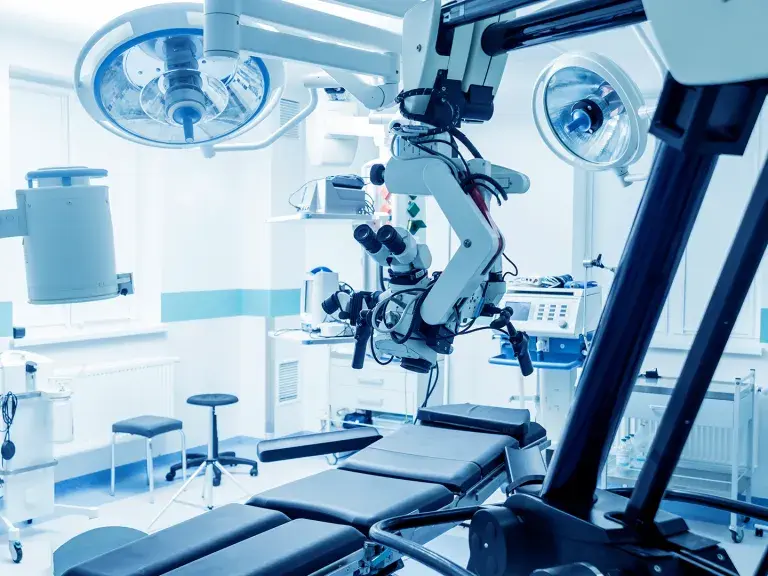
Medical Devices
Miniaturized drug delivery systems, diagnostic equipment, and fluid control devices frequently rely on thin elastomer diaphragms and micro-seals. These components must perform reliably under repeated cycling and strict regulatory requirements.
Laser processing ensures precision rubber components meet these demands without compromising material properties.
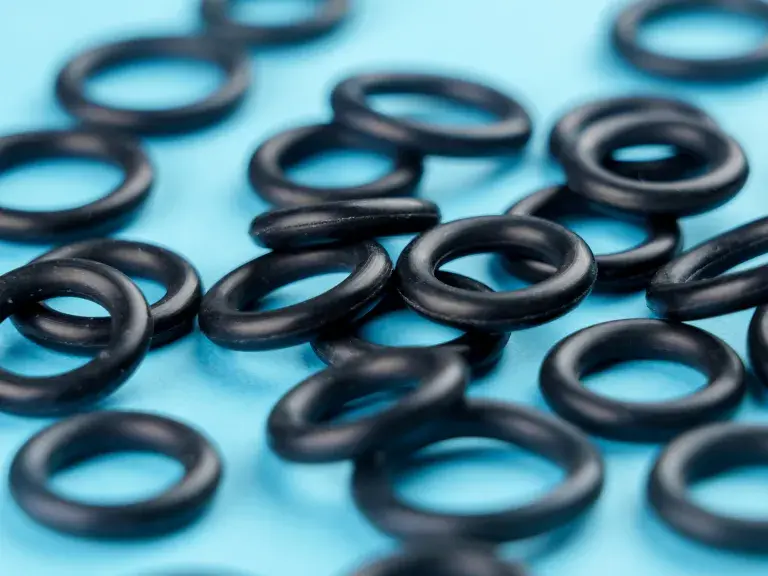
Industrial Instrumentation
Sensors, analyzers, and high-performance measurement systems often incorporate custom gaskets and vibration isolation components. Tight dimensional control is essential to maintain calibration and performance.
Laser cutting elastomers allows manufacturers to achieve consistent geometries, even for small-batch or custom designs.
Specialty Sealing
In high-spec industrial and technical sealing applications, complex profiles and tight tolerances are increasingly common. The ability to rapidly iterate designs without investing in new tooling offers a significant competitive advantage.
By eliminating tooling constraints, laser machining supports both customization and scalable production.
A More Flexible, Scalable Future for Rubber Manufacturing
The production of small rubber components is evolving. As products become more compact and performance-driven, the limitations of traditional tooling-based processes become more pronounced.
Laser micromachining rubber parts offers a compelling alternative:
Eliminating tooling constraints
By removing the need for physical dies and molds, manufacturers gain greater design freedom and significantly reduce upfront tooling investment. Geometry changes can be implemented digitally without re-cutting or replacing hard tooling. This enables faster prototyping, shorter development cycles, and more agile scaling from low-volume trials to full production runs of precision rubber components.
Reducing deformation through non-contact laser processing
Because the process applies no mechanical pressure to the material, soft and compressible elastomers retain their original shape during cutting. This minimizes distortion in thin membranes and delicate features, helping ensure that the final part geometry matches the intended design. For high-performance sealing and medical applications, preserving material integrity is critical to long-term reliability.
Improving repeatability for soft, flexible materials
Laser parameters such as power, pulse duration, and cutting speed are digitally controlled and consistently reproduced across batches. Unlike mechanical tooling, which can wear or vary in applied force over time, laser systems maintain stable performance. This consistency is essential when manufacturing large volumes of precision rubber components with tight dimensional tolerances.
Enabling complex micro-features in rubber
Advanced applications increasingly demand intricate internal geometries, closely spaced features, and extremely fine apertures. Laser machining supports the production of detailed micro-features in rubber that would be difficult or cost-prohibitive to achieve using traditional die cutting. Designers are no longer constrained by tooling geometry and can optimize parts for functional performance rather than manufacturability limitations.
Supporting cleaner, more controlled production environments
With no physical cutting tools contacting the material, there is reduced risk of contamination and minimal need for secondary finishing operations. This makes laser cutting elastomers particularly well suited for regulated industries such as medical device manufacturing and high-spec industrial systems.
For manufacturers seeking precision rubber components that meet modern performance demands, laser micromachining is not simply an incremental improvement. It represents a shift in capability.
At OpTek Systems, we see this transformation firsthand. As customers across medical, industrial, and specialty markets push for smaller, more precise elastomer components, laser-based solutions are enabling designs and production efficiencies that were once out of reach.
The future of elastomer manufacturing is digital, flexible, and precise, and laser micromachining is leading the way.