
Medical laser technologies continue to reshape modern healthcare. From dental surgery to minimally invasive procedures and robotic systems, lasers enable clinicians to treat tissue with exceptional precision.
At the heart of many of these devices is a critical component that often goes unnoticed: the optical fiber tip.
Fiber tips control how laser energy is delivered to tissue. Their geometry, surface quality and dimensional accuracy directly influence clinical performance. As biomedical devices become smaller and more precise, manufacturing these components has become one of the most demanding challenges in medical device engineering.
For companies developing advanced laser systems, achieving the required precision at scale requires specialized manufacturing expertise.
Growing Demand for Advanced Fiber Tip Designs
Biomedical laser systems rely on optical fibers to deliver controlled energy to a treatment site. These fibers often terminate in engineered tips that shape or direct the laser beam.
Applications include:
- Dental laser systems for soft tissue procedures
- Endodontic and periodontal treatments
- Minimally invasive surgical tools
- Optical imaging systems
- Therapeutic laser devices
- Robotic surgical platforms
As these technologies evolve, fiber tip designs are becoming increasingly complex. Device manufacturers must meet demanding requirements while maintaining reliability and repeatability.
Several key engineering challenges drive this complexity.
Engineering Challenges in Fiber Tip Manufacturing
Medical devices are continually shrinking in size to enable less invasive procedures. Fiber diameters commonly range from 200 µm to 400 µm and must integrate into extremely compact instruments.
Producing precise geometries at this scale requires micron-level process control.
The geometry of a fiber tip determines how laser energy exits the fiber and interacts with tissue. Small dimensional variations can significantly affect beam characteristics and device performance.
Maintaining consistent tolerances across large production volumes requires highly controlled manufacturing processes.
Biomedical fiber assemblies often include a combination of materials such as:
- Silica optical fibers
- Polymer coatings
- Ceramic components
- Metal ferrules
- Protective jackets
Each material responds differently to machining processes, making precision manufacturing more challenging.
Traditional mechanical machining methods can introduce defects such as micro-cracks, debris or thermal damage.
For medical applications, these defects are unacceptable. Components must be produced with extremely clean surfaces and minimal subsurface damage.
Many companies can develop functional prototypes during early R&D. Scaling these designs to consistent, high-volume production presents an entirely different challenge.
Manufacturers must maintain precision while delivering repeatability, inspection capability and automated throughput.
Laser Micromachining Enables Precision Fiber Processing
Laser micromachining provides a powerful solution to many of the challenges associated with fiber tip manufacturing.
Unlike mechanical processes, laser processing offers non-contact material removal and highly localized energy delivery. This enables manufacturers to create extremely small features with excellent surface quality.
Laser techniques are commonly used for operations such as:
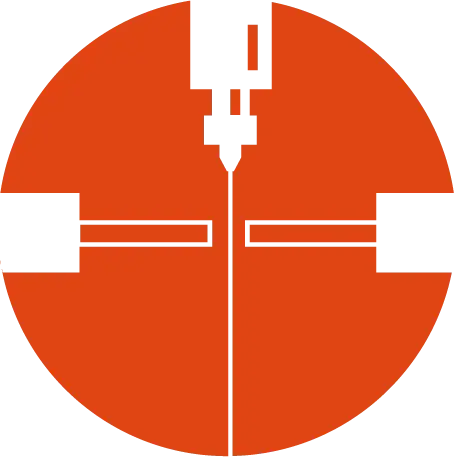
Fiber
Cleaving
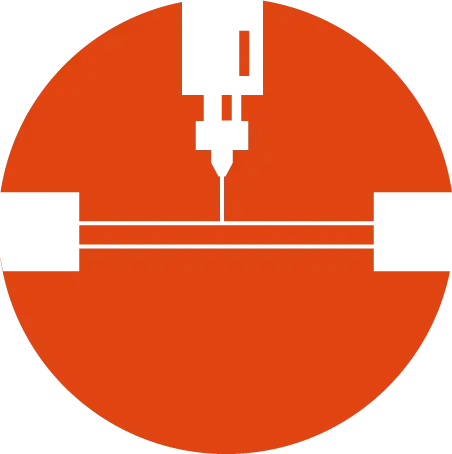
Coating
Removal
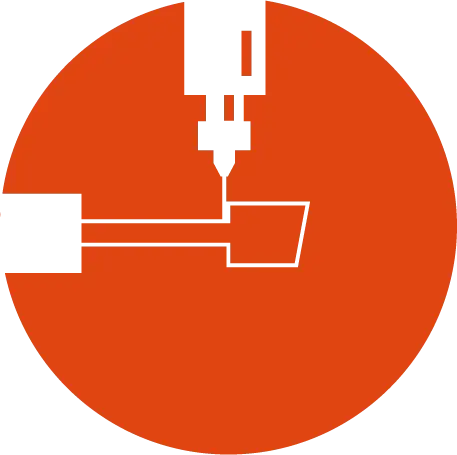
End-face
Shaping
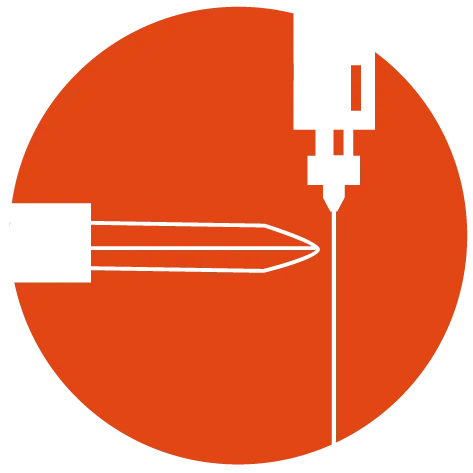
Tip Geometry Formation
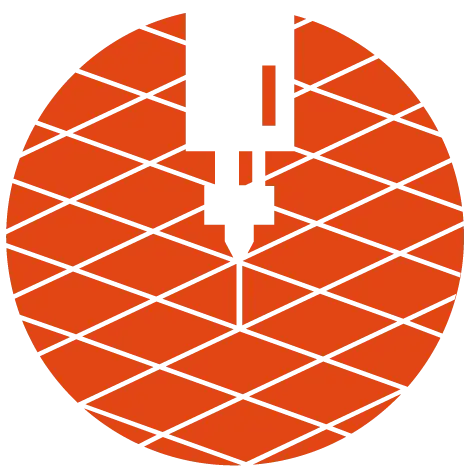
Surface
Structuring
These processes allow engineers to produce complex fiber tip geometries while maintaining the integrity of the optical fiber.
Enabling Innovation in Laser Dentistry
Dental laser systems provide a clear example of the importance of precision fiber tip manufacturing.
Modern dental procedures use laser energy for treatments such as:
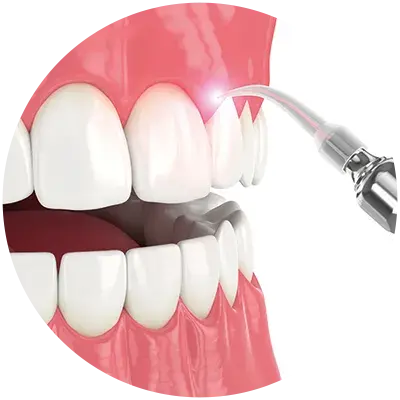
Soft Tissue
Surgery
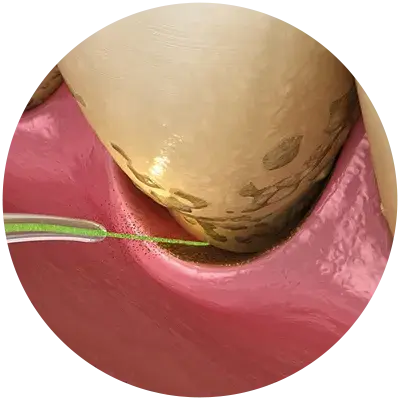
Periodontal
Therapy
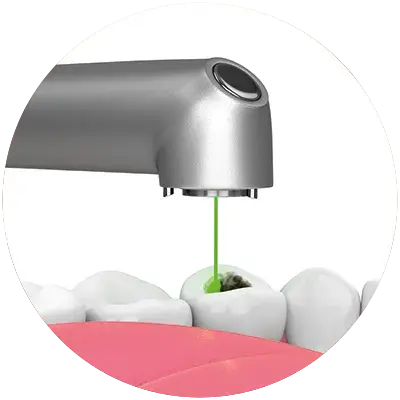
Endodontic
Cleaning
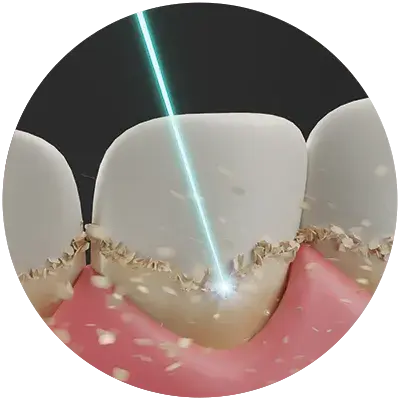
Bacterial
Reduction
These procedures require specialized fiber tips that deliver laser energy with controlled beam profiles.
Manufacturers developing dental laser systems rely on fiber tips with consistent geometry, clean surfaces and reliable optical performance. Achieving these requirements at scale requires both advanced processing technologies and strong manufacturing expertise.
Fiber Tips Engineered for Precise Beam Delivery
The performance of a biomedical laser system is not only defined by the laser source, but by how the energy is shaped and delivered at the point of use.
Fiber tip design plays a central role in controlling:
- Beam profile
- Power density
- Focal position
- Energy distribution within tissue
To achieve this, a range of specialized optical geometries and surface treatments are used.
Advanced Geometries in Fiber Tips
Different clinical applications require different beam shapes and energy delivery characteristics. This is achieved through precision-engineered fiber tip geometries.
Common designs include:
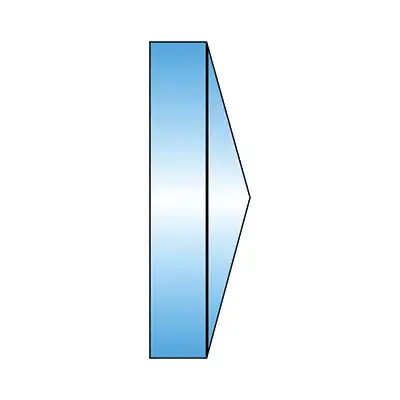
Axicon and Conical Lenses
Used to transform the beam into ring-shaped or elongated focal regions. These are particularly useful in applications requiring controlled energy distribution over a defined depth.
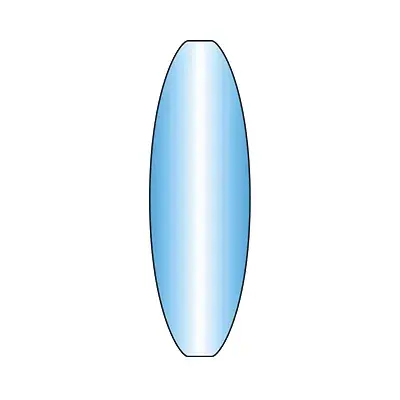
Biconic Lenses
Enable asymmetric beam shaping, allowing engineers to tailor energy delivery along different axes. This is valuable in applications where directional control is critical.
Ball Lenses
Often used to focus or collimate light at the fiber tip. These are commonly found in imaging systems and minimally invasive probes where precise focusing is required.
Each geometry must be manufactured with extreme accuracy to ensure consistent optical performance across production volumes.
Cleave Geometries and Surface Preparation
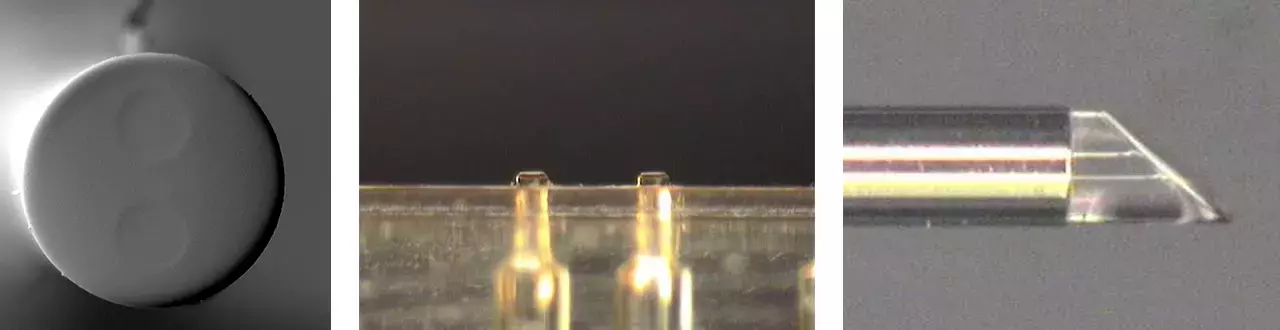
In addition to lensing, fiber tips often rely on specific cleave geometries to influence beam direction and reflection characteristics.
These include:
- Flat cleaves for straightforward forward emission
- Angle cleaves to reduce back reflection and improve coupling efficiency
Surface quality at the fiber end face is critical. Even minor imperfections can lead to scattering, reduced efficiency, or localized heating.
Optical Coatings for Improved Performance
Coatings are used to further refine optical performance.
Examples include:
- Anti-reflective coatings to maximize transmission and reduce losses
- Protective coatings to enhance durability
- Application-specific coatings tuned to particular wavelengths
These coatings are optimized for operation across a range of wavelengths, from visible light through to infrared, depending on the application.
The combination of geometry and coatings enables precise control over how laser energy interacts with biological tissue.
Coating Removal Without Compromising Fiber Integrity
Before fiber tips can be shaped or processed, protective coatings must often be removed from the optical fiber.
This step is more critical than it appears.
Limitations of Traditional Stripping Methods
Conventional coating removal methods include:
- Mechanical stripping
- Thermo-mechanical stripping
- Chemical etching, often using heated sulphuric acid
These approaches introduce several risks.
Mechanical and thermo-mechanical processes can create surface abrasions on the glass fiber. These micro-defects may not cause immediate failure but can lead to latent reliability issues through sub-critical crack growth.
Chemical stripping methods can be difficult to control and may introduce variability or handling risks.
At the same time, the fiber coating serves an essential protective function. It shields the glass from:
- Handling damage
- Environmental exposure
- Stress corrosion caused by atmospheric moisture
For this reason, coating should only be removed from the minimum region required for processing.
Laser Stripping for Micron-Level Precision

OpTek Systems addresses these challenges through precision laser stripping technology.
Laser-based coating removal enables:
- Micron-scale control of stripped regions
- Non-contact processing
- Elimination of mechanical damage
- Consistent, repeatable results
The laser parameters are carefully optimized to ablate the coating material while leaving the underlying glass completely unaffected.
This results in:
- Clean, damage-free glass surfaces
- Minimal exposed fiber length
- Improved mechanical reliability
- Enhanced consistency for downstream processes
The stripped fiber is immediately ready for subsequent steps such as:
- Tip shaping
- Bonding
- Assembly
- Optical interfacing
By maintaining the integrity of the glass and minimizing exposed regions, laser stripping significantly reduces the risk of premature fiber failure in demanding biomedical environments.
OEM Support from Development to Production
OpTek Systems supports biomedical OEMs throughout the entire product development lifecycle.
We provide expertise in fiber processing, laser micromachining and automation systems that enable manufacturers to move from concept to full production.

Process
Development
Early-stage development is critical when designing advanced fiber tip geometries.
OpTek works with customers to develop optimized laser processing parameters for specific materials and designs. Feasibility studies and process validation help reduce development risk and accelerate product timelines.

Rapid Prototyping and Sampling
Prototype fiber tips allow engineering teams to evaluate performance during device development.
Fast turnaround sampling enables iterative design improvements and early validation testing.

Contract Manufacturing
Once designs are finalized, OpTek supports production through precision contract manufacturing.
Manufacturing systems maintain tight tolerances and consistent quality across production volumes.
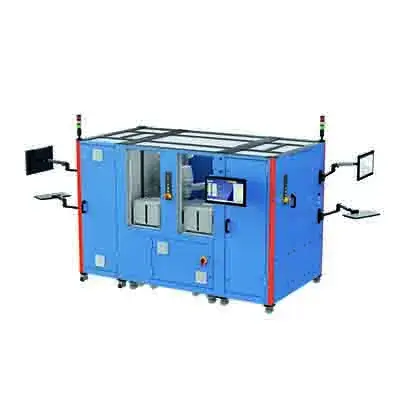
Laser Processing Workstations
In addition to contract manufacturing, OpTek develops advanced laser processing workstations designed for fiber machining applications.
These systems support processes such as:
- Precision fiber cutting
- Coating removal
- Tip formation
- Micro-scale surface processing
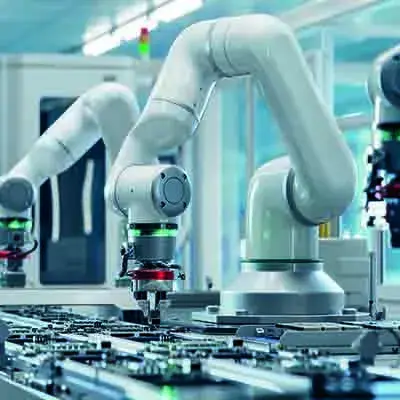
Laser Modules for Line Integration
Many medical device manufacturers integrate fiber processing directly into their production lines.
OpTek provides laser modules that can be integrated into automated manufacturing environments to support scalable production.
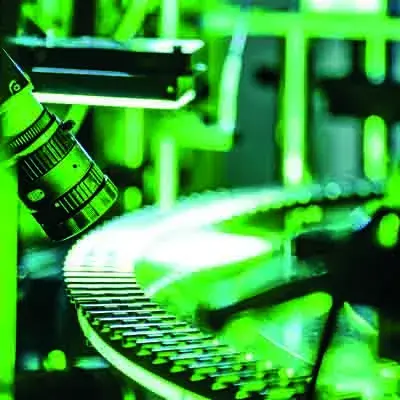
Automation and Inspection
Automated systems play a key role in maintaining repeatability and throughput.
OpTek integrates automation technologies including:
- Material handling
- Vision inspection
- Process monitoring
- Quality verification
These systems ensure consistent component performance and support efficient manufacturing workflows.
Biomedical Applications for Fiber Tips
Dental device manufacturers rely on fiber tips for procedures such as soft tissue surgery and periodontal treatment. Precision tip geometry enables controlled laser delivery and improved treatment outcomes.
Minimally invasive surgical platforms often use optical fibers to deliver energy within compact instruments. Precision fiber processing enables these systems to maintain performance while minimizing device size.
Optical fiber components are widely used in imaging systems such as OCT probes and diagnostic catheters. These applications require extremely precise fiber processing to maintain optical signal quality.
Laser-based therapeutic systems depend on reliable energy delivery through specialized fiber tips. Consistent manufacturing ensures predictable clinical performance.
Bridging Gaps Between Design and Scalable Manufacturing
For many biomedical companies, the greatest challenge is not designing an advanced device. The challenge lies in scaling precision components for reliable production.
Fiber tip manufacturing requires specialized equipment, deep process expertise and advanced automation capabilities.
OpTek Systems helps device manufacturers bridge the gap between development and production by providing:
- Fiber tip process development
- Rapid prototyping and sampling
- Precision contract manufacturing
- Laser processing workstations
- Integrated automation solutions
- Advanced inspection systems
This combination of engineering expertise and manufacturing capability enables biomedical companies to bring innovative laser technologies to market more efficiently.
OpTek Systems for Precision Fiber Tip Manufacturing
Biomedical device companies continue to push the limits of what laser technologies can achieve in clinical applications. As devices become smaller and more precise, the performance of fiber tips becomes increasingly critical.
OpTek Systems supports leading medical device manufacturers with advanced fiber processing solutions that deliver precision, repeatability and scalability.
If your team is developing a laser-based medical device, OpTek can help transform complex fiber designs into reliable production components.