Polymer tubing plays a critical role in modern medical device design. From minimally invasive catheters to implantable delivery systems, these small, highly engineered components must meet strict requirements for precision, cleanliness, and biocompatibility. As device complexity increases, so too does the demand for manufacturing processes that can deliver intricate features without compromising material performance.
Laser processing has emerged as a key enabling technology in this space. By offering non-contact, highly controlled material interaction, it allows manufacturers to machine delicate polymer tubes with a level of precision and consistency that traditional methods struggle to achieve.
This article explores what polymer tubes are, where they are used, the challenges associated with processing them, and how laser technology provides a more advanced and reliable solution.
What are Polymer Tubes and Where are they used?
Polymer tubes are cylindrical components manufactured from medical-grade plastics such as PTFE, PEEK, polyurethane, and silicone. These materials are selected for their flexibility, chemical resistance, and compatibility with the human body.
They are widely used across a range of medical applications, including:
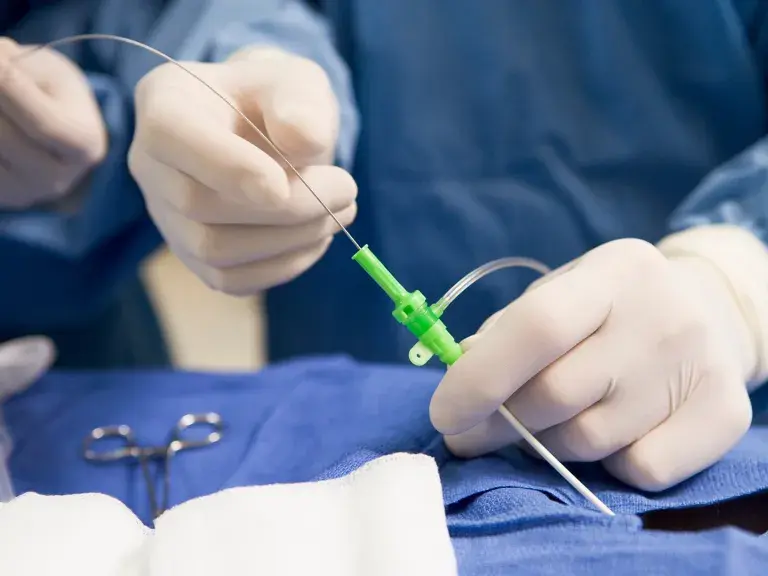
Catheters
Polymer tubing is fundamental to catheter design across cardiovascular, urological, and neurovascular procedures. These tubes must combine flexibility with precise dimensional control, allowing them to navigate complex anatomical pathways while maintaining reliable performance for fluid delivery or device deployment.
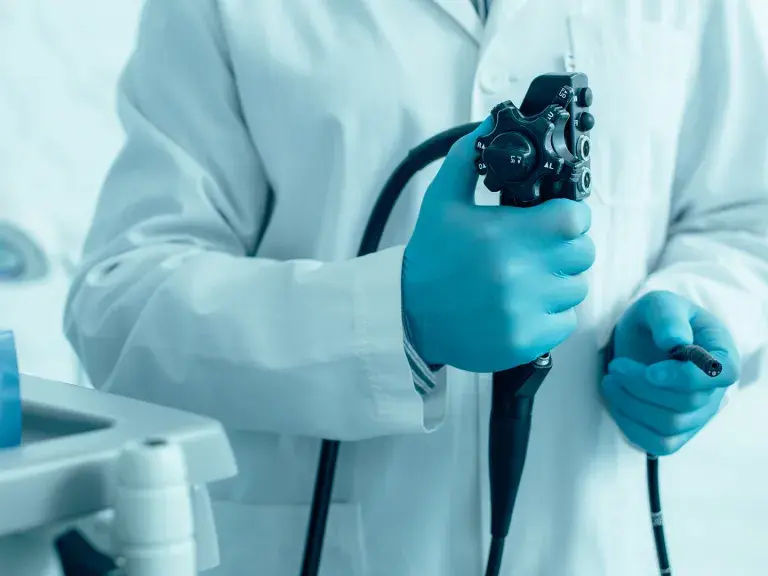
Surgical Tools
Minimally invasive surgical instruments rely on polymer tubes to create flexible access pathways within the body. The tubing must provide the right balance of flexibility and structural support, enabling accurate positioning while minimising patient trauma.
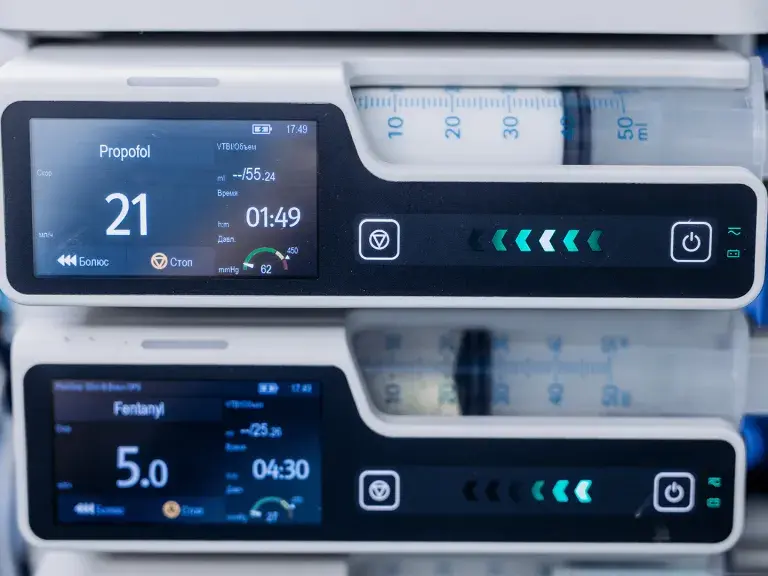
Drug Delivery
In drug delivery systems, polymer tubes are used to transport and release therapeutic agents in a controlled manner. Features such as micro-holes or patterned cuts enable precise dosing and targeted delivery, which are essential for treatment effectiveness.

Implantable Devices
For implantable applications, polymer tubing must retain its mechanical strength and chemical stability over long periods. Ensuring long-term biocompatibility is critical, as the material must remain non-reactive and safe within the body.
Diagnostic Probes
Polymer tubes are used to house sensors and diagnostic components, protecting sensitive elements while enabling accurate measurement of physiological conditions. These applications often require high precision and consistent geometries to ensure reliable data capture.
In many of these applications, tubing must incorporate complex micro-features such as holes, slots, spirals, or patterned cuts. These features enable functionality such as fluid control, flexibility tuning, or sensor integration.
Producing these features reliably, however, presents significant manufacturing challenges.
The Challenges of Processing Polymer Tubing
Polymer materials behave very differently from metals during machining. Their relatively low melting temperatures, elastic properties, and sensitivity to mechanical stress make them difficult to process using conventional techniques.
Some of the most common challenges include:
Thermal damage and heat-affected zones
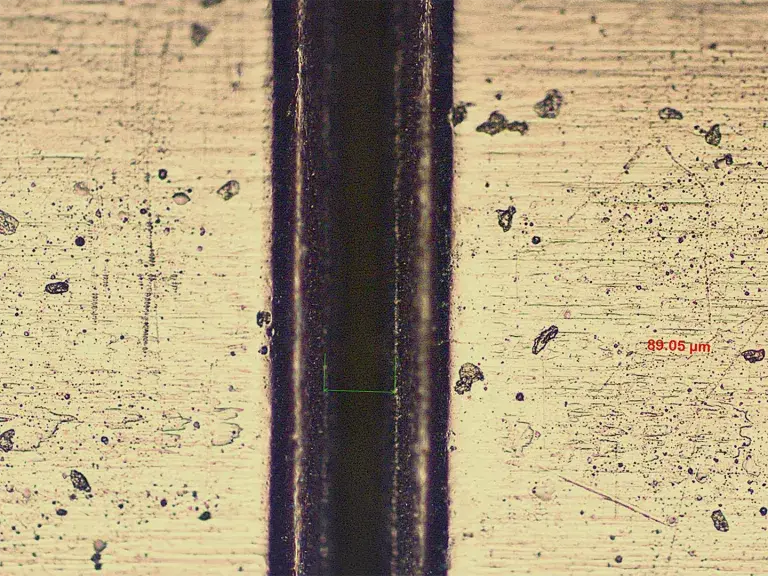
Traditional cutting or drilling methods can introduce heat into the material, leading to melting, deformation, or changes in material properties. Even small heat-affected zones can compromise performance in critical medical applications.
Mechanical deformation
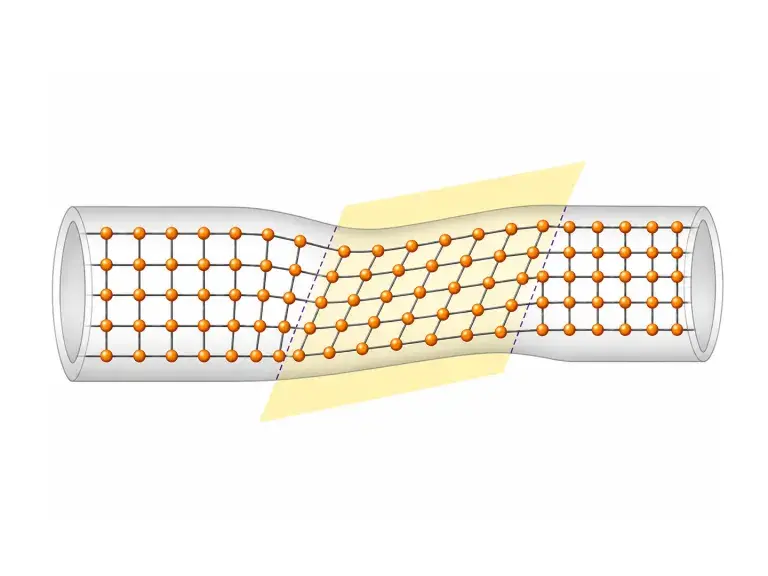
Contact-based processes such as mechanical drilling or punching can distort thin-walled tubes. This can result in ovalisation, stretching, or micro-cracking, particularly in softer polymers.
Poor edge quality and burr formation
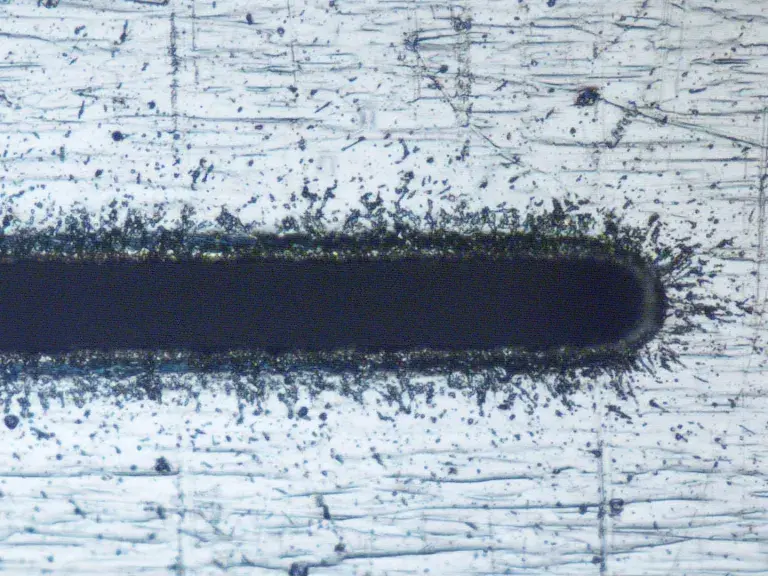
Mechanical methods often leave rough edges or burrs that require secondary finishing. In medical devices, this is not just a quality issue but a safety concern.
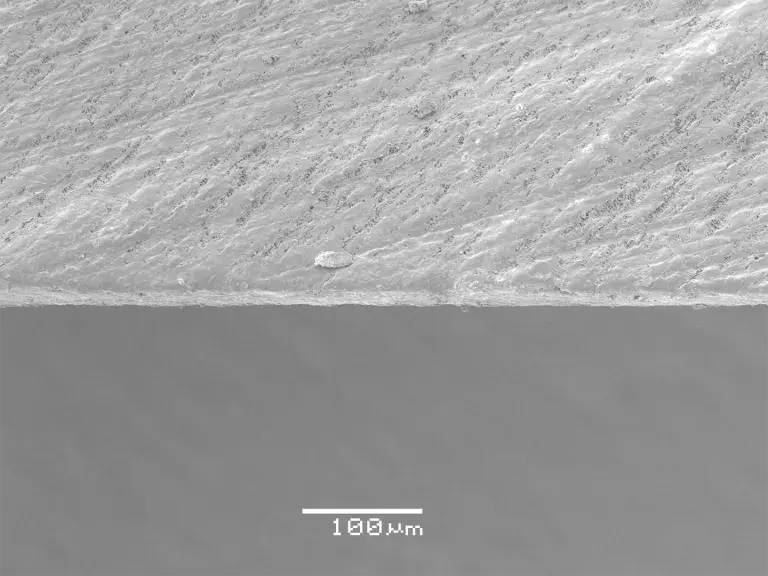
Material waste and inefficiency
Conventional methods can generate significant scrap, especially when producing fine features or working with high-value medical-grade polymers.
These challenges have driven the adoption of laser-based approaches that offer greater control and repeatability.
Cold Laser Processing for Polymers
One of the key advantages of laser processing polymer tubes is the ability to operate in a regime often referred to as cold laser processing.
Unlike traditional thermal methods, certain laser systems, particularly ultrafast or short-pulse lasers, interact with the material over extremely short timescales. This limits heat transfer into the surrounding material and enables highly localised material removal.
The result is a process that delivers:
- Minimal thermal diffusion into the surrounding material
- Precise ablation without melting or reflow
- Clean feature definition at micro-scale dimensions
This is particularly important when working with thin-walled tubing or sensitive polymers where even slight temperature changes can lead to deformation.
Cold laser processing enables manufacturers to create complex geometries while maintaining the original properties of the polymer.
Avoiding Heat-Affected Zones
A critical requirement in laser cutting medical tubing is the elimination or minimisation of heat-affected zones (HAZ).
Heat-affected zones can alter the mechanical and chemical properties of polymers, potentially leading to:
- Reduced flexibility or increased brittleness
- Changes in surface chemistry
- Compromised long-term performance in the body
Laser processing addresses these challenges through precise control of energy delivery. By optimising parameters such as pulse duration, wavelength, and energy density, material can be removed cleanly with minimal thermal impact on the surrounding area.
In advanced laser systems, particularly those using short or ultrafast pulses, this effect is further reduced. The interaction with the material is highly localised, preventing heat from spreading beyond the immediate processing zone.
The result is a process that maintains the integrity of the polymer while producing clean, accurate features. In many cases, heat-affected zones are negligible or effectively eliminated, removing the need for secondary processing and ensuring consistent performance in the final device.
Precision Cutting, Drilling & Feature Creation
Laser processing of polymer tubes supports a wide range of manufacturing operations, including:
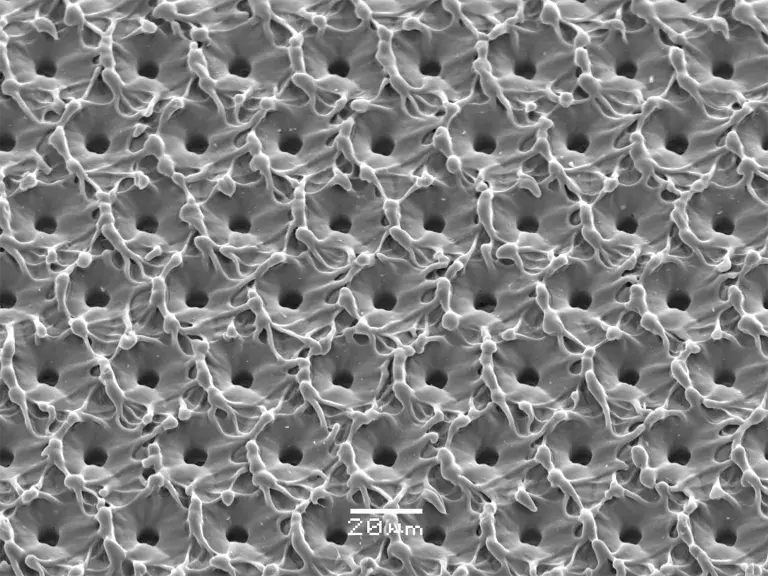
Micro-drilling of holes for fluid delivery or sensing
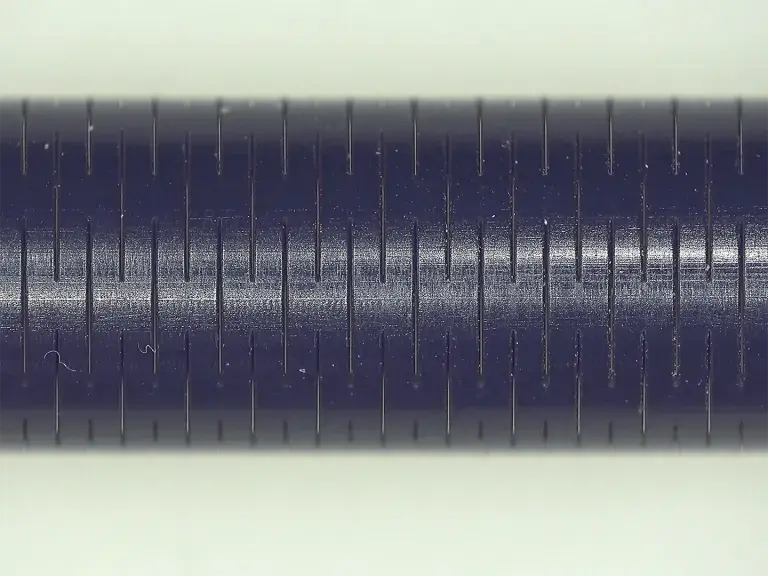
Slotting and pattern cutting to control flexibility and bending characteristics
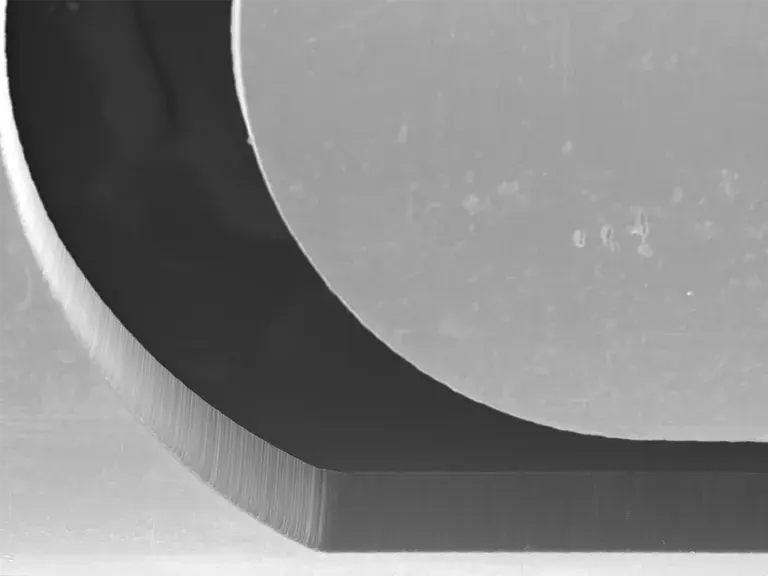
Spiral and helical cuts for advanced catheter designs
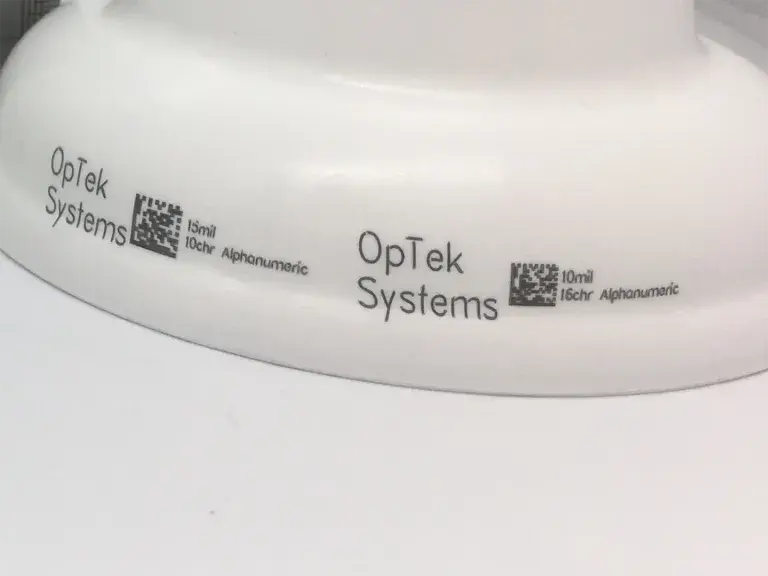
Marking and surface structuring for identification or functional purposes
Because the process is non-contact, there is no mechanical force applied to the tube. This eliminates many of the deformation issues associated with traditional methods and enables a much higher level of control over the final geometry.
In practice, this means thin-walled tubes can be processed without distortion, maintaining their original shape and dimensional accuracy. Edges are clean and well-defined, removing the need for secondary deburring or finishing. At the same time, tight tolerances can be consistently achieved, even for highly complex or repeatable patterns across large production volumes.
This combination of precision and stability makes laser processing particularly well suited to demanding applications such as laser processing hypotube components and advanced catheter systems.
Reducing Waste & Improving Efficiency
Material efficiency is an important consideration in the production of polymer tubing for medical devices, particularly when working with high-performance or specialty polymers.
Laser processing offers several advantages in this area:
- Highly targeted material removal, reducing excess scrap
- Optimized cutting paths that maximize material utilization
- Reduced need for secondary finishing processes
- Lower rejection rates due to improved process consistency
By minimizing waste and improving yield, manufacturers can achieve both cost savings and more sustainable production.
Preserving Structural Integrity & Biocompatibility
Perhaps the most critical advantage of laser processing is its ability to preserve both the structural integrity and biocompatibility of polymer tubing.
In medical applications, even minor changes to the material can have significant consequences. Laser processing supports these requirements by:
- Maintaining the original molecular structure of the polymer through low thermal impact
- Avoiding contamination associated with mechanical tooling or coolants
- Producing smooth, clean surfaces that reduce the risk of particle generation
- Ensuring consistent performance in demanding in-body environments
This is particularly important for applications such as catheters, where flexibility and surface quality directly influence performance, as well as probes that rely on precise features for accurate sensing. In implantable devices, long-term stability and compatibility are essential, making it critical that the material remains unchanged throughout processing.
By preserving these properties, laser processing helps ensure that the final device performs exactly as intended.
Enabling the Next Generation of Medical Devices
As medical devices continue to evolve towards smaller, more complex, and more minimally invasive designs, the demands placed on manufacturing technologies will only increase.
Laser processing of polymer tubes provides a scalable and future-ready solution by offering:
- The ability to create increasingly complex micro-features
- High levels of process control and repeatability
- Compatibility with a wide range of advanced polymer materials
- Integration into automated, high-throughput production environments
For manufacturers looking to push the boundaries of device design, laser technology is not just an alternative to traditional methods. It is a key enabler of innovation.
A more Advanced Approach to Polymer Tube Manufacturing
The limitations of conventional processing methods are becoming more apparent as device requirements become more demanding. In contrast, laser processing polymer tubes offers a combination of precision, flexibility, and material preservation that aligns with the needs of modern medical manufacturing.
By enabling cold processing, avoiding heat-affected zones, reducing waste, and maintaining biocompatibility, laser systems provide a robust and reliable solution for producing high-performance tubing components.
For applications ranging from laser cutting medical tubing to advanced implantable systems, laser processing is helping to define a new standard in precision manufacturing.
At OpTek Systems, this approach is supported by deep expertise in laser micromachining and precision system integration. With experience in processing complex polymer materials and delicate tubular geometries, OpTek works with medical device manufacturers to develop tailored laser solutions that meet exacting performance and regulatory requirements.
Whether the challenge is creating micro-scale features, improving process consistency, or scaling production, OpTek’s laser processing capabilities enable manufacturers to move from design to reliable, high-quality output with confidence.